Many adults feel a pinch, ache, or sharp discomfort when lifting the arm, but they often do not know why. These symptoms may be caused by shoulder impingement syndrome, a condition that develops when soft tissues inside the shoulder become irritated during overhead or repetitive movements. Understanding how this process begins helps adults recognize early signs, protect their shoulder, and seek care before the issue worsens.
A Closer Look at How Shoulder Impingement Develops
How the Shoulder’s Structure Creates Space for Movement
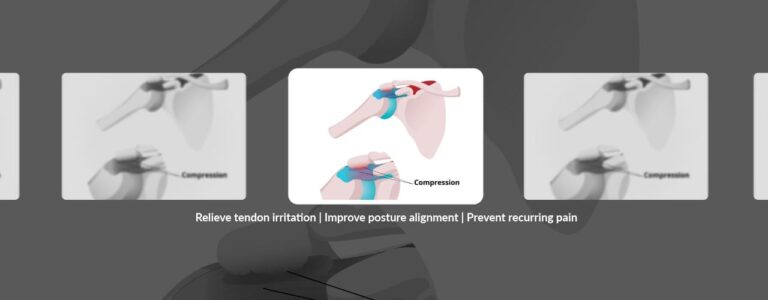
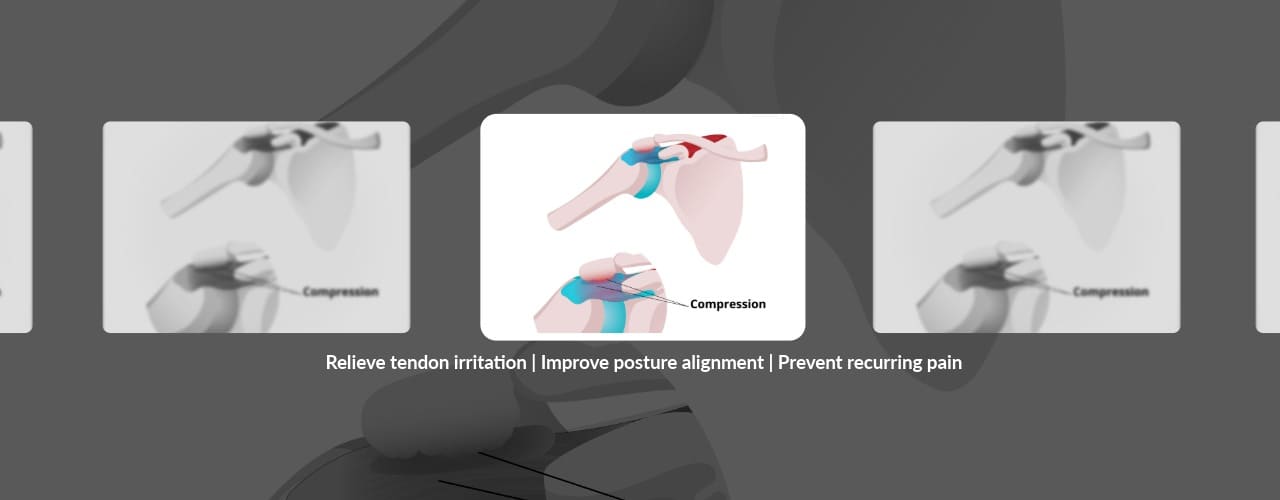
The shoulder joint depends on the space between the upper arm bone and the bony arch above it. Several important structures sit in this space, including the rotator cuff tendons and a small protective sac called the bursa. When the arm lifts overhead, these tissues slide smoothly through the space. If the space narrows or the tissues swell, movement becomes uncomfortable. Physical therapists examine how well these structures glide and how different motions change the way the shoulder functions.
How Shoulder Impingement Syndrome Begins Inside the Joint
Shoulder impingement often develops when the tendons or bursa become irritated from repeated lifting or reaching. This irritation causes swelling, which reduces the available space for movement. As the tissues become more sensitive, even simple motions like reaching into a cabinet or putting on a shirt can create discomfort. Early treatment helps calm these tissues and restore smoother motion.
How Muscle Weakness Contributes to Impingement
Weakness in the rotator cuff or shoulder blade muscles affects how the arm moves. These muscles guide the upper arm bone and the shoulder blade during lifting. When they weaken, the bone may shift upward too soon or too far during the motion. This shift increases pressure inside the joint and contributes to shoulder impingement syndrome. Physical therapy includes strengthening exercises that improve muscle control and help the shoulder move comfortably again.
How Posture Affects Shoulder Motion
Forward head posture and rounded shoulders reduce the room available for the tendons to glide. Many adults develop this posture due to prolonged computer work, phone use, or extended periods of sitting. This position tilts the shoulder blade forward and narrows the space inside the shoulder. Physical therapists teach posture strategies and mobility exercises that help improve shoulder alignment and reduce unnecessary strain.
How Tight Tissues Change the Way the Shoulder Moves
Tightness in the chest muscles, upper back, or the tissues surrounding the shoulder can restrict natural motion. When these tissues tighten, the shoulder blade cannot rotate or tilt the way it should. This restriction forces the rotator cuff to work harder, increasing irritation. Addressing tightness with guided stretching and mobility work helps create smoother, more natural movement patterns.
How Repetitive Overhead Tasks Increase Irritation
Jobs or sports that require frequent overhead motion place steady pressure on the shoulder. Tasks such as painting, stocking shelves, lifting equipment, or certain gym exercises can overload the tendons if the body does not receive enough recovery time. Physical therapy helps adults improve mechanics during these tasks and teaches strategies that reduce repeated stress on sensitive tissues.
How Shoulder Impingement Syndrome Affects Daily Activities
As the condition progresses, many adults experience discomfort when reaching behind their back, lifting their arm above their head, or carrying items away from their body. People may begin avoiding certain movements, which creates more weakness and stiffness. This pattern becomes a cycle that physical therapy helps break through targeted treatment and guided motion.
How Physical Therapy Helps Restore Comfortable Movement
Physical therapy uses hands-on techniques, mobility exercises, and strengthening strategies to address the underlying issues that create impingement. Manual therapy helps loosen tight tissues and improve joint glide. Strengthening exercises support shoulder stability and help the arm move smoothly. Mobility work enhances flexibility in the chest, upper back, and shoulders, thereby reducing pressure on irritated tissues.
How Therapists Teach Safer Ways to Move
A major part of recovery involves learning how to lift, reach, and rotate the arm without increasing irritation. Therapists teach controlled movement patterns that protect the tendons while allowing the shoulder to regain strength. Over time, these strategies help adults return to daily tasks, exercise, and work activities with greater comfort.
Begin Your Recovery at Spectrum Therapy Consultants
At Spectrum Therapy Consultants, physical therapists assess the underlying causes of shoulder impingement syndrome and develop personalized plans to restore mobility, alleviate discomfort, and enhance shoulder strength. If shoulder pain affects your daily life, contact Spectrum Therapy Consultants today to begin a supportive recovery plan.