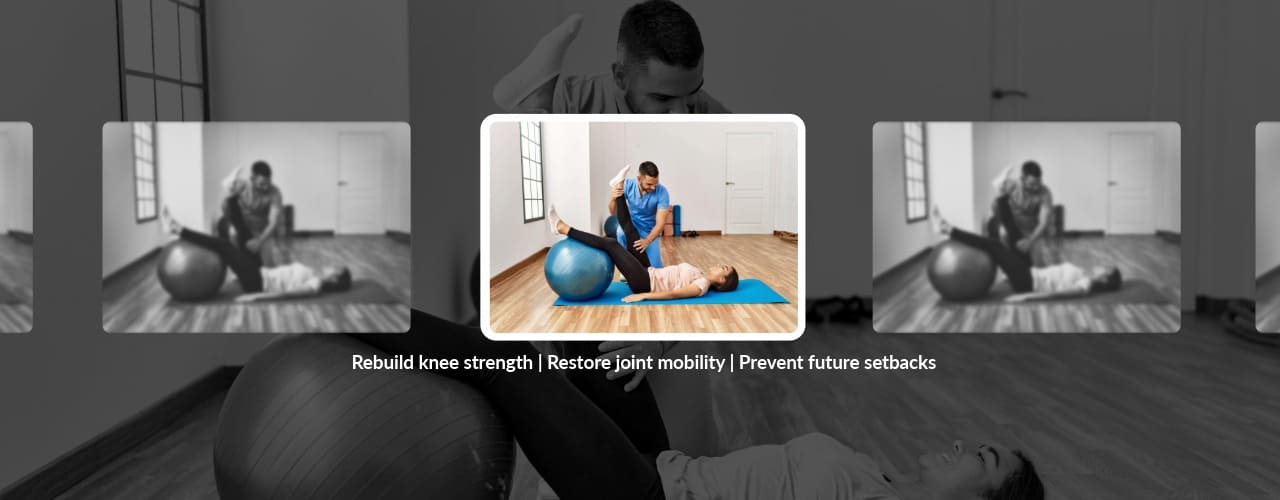
Knee surgery helps correct a structural problem, but surgery alone does not restore strength, flexibility, or balance. These abilities return through guided movement and steady strengthening. Understanding the importance of knee surgery rehabilitation helps adults recognize why physical therapy plays a crucial role in supporting healing, protecting the joint, and preventing future pain.
Why Rehabilitation Shapes Long-Term Knee Recovery
Problem: Weak Muscles Cause Instability After Surgery
Muscles around the knee weaken during the recovery period. This weakness reduces support for the joint, increasing the risk of stiffness or discomfort. Many adults feel unsure when standing or walking during the first days after surgery because the muscles cannot yet protect the knee.
Solution: Targeted Strength Training Rebuilds Support
Physical therapists design strengthening exercises that safely reintroduce muscle activity. Early exercises focus on gentle muscle activation, while later exercises build control and endurance. Stronger muscles help stabilize the joint and support safer movement throughout knee surgery rehabilitation.
Problem: Stiffness Develops Quickly Without Guided Motion
Scar tissue forms naturally after surgery. Without movement, this tissue tightens, limiting bending and straightening. Daily activities such as standing, sitting, and climbing stairs become more difficult when the joint loses flexibility.
Solution: Mobility Work Keeps the Joint Moving Comfortably
Physical therapists teach controlled motions that help reduce stiffness while protecting the healing tissues. These mobility exercises help restore the range of motion necessary for activities such as walking, sitting, driving, and resuming daily tasks. Improving mobility early helps prevent long-term limitations during knee surgery rehabilitation.
Problem: Pain Increases When the Knee Moves Incorrectly
After surgery, many adults develop compensations to avoid discomfort. They shift weight to the other leg, lean forward, or change how they walk. These patterns increase stress on the new joint and can create pain in other areas such as the hips or lower back.
Solution: Gait Training Restores Healthy Movement Patterns
Physical therapists evaluate how each person walks and identify patterns that overload the knee. Gait training teaches smoother, more efficient steps that protect the joint. Restoring a natural walking pattern helps reduce unnecessary strain and improves confidence during knee surgery rehabilitation.
Problem: Balance Declines from Weakness and Joint Sensitivity
Surgery affects the body’s ability to sense joint position. This reduced awareness increases the risk of instability when standing or changing direction. Many adults feel hesitant when walking on uneven surfaces because the knee feels unsteady.
Solution: Balance Exercises Improve Control and Stability
Balance training restores the body’s ability to sense joint position and maintain steady posture. Therapists guide adults through exercises that challenge stability safely. Better balance reduces the risk of falls and builds trust in the knee during knee surgery rehabilitation.
Problem: Swelling Slows Healing and Reduces Mobility
Swelling is common after knee surgery, but persistent swelling can limit motion and increase discomfort. Without proper management, swelling can delay progress and make daily activities harder.
Solution: Circulation Techniques Support Tissue Recovery
Physical therapists teach strategies that improve circulation and help the body manage swelling. These techniques include gentle movement, positioning strategies, compression, and soft tissue work. Improved circulation supports faster healing and reduces discomfort during the recovery process.
Problem: Functional Tasks Feel Difficult Without Guidance
Tasks such as standing from a chair, stepping onto a curb, or getting into a car require coordinated movement between the hips, knees, and core. After surgery, these motions can feel awkward or uncomfortable.
Solution: Functional Training Prepares You for Daily Life
Therapists teach movement strategies that make everyday tasks easier and safer. Functional exercises strengthen the body in positions used during real activities. This practical approach makes returning to home routines, work, and hobbies more comfortable during knee surgery rehabilitation.
Problem: Fear of Movement Slows Progress
Many adults worry about damaging the new joint, so they avoid bending or weight-bearing. This fear limits progress and increases stiffness.
Solution: Education Builds Confidence in Safe Movement
Physical therapy includes education on safe movements, tissue healing, and how to progress without overloading the knee. This guidance reduces fear and helps adults participate actively in their recovery.
Partner With Spectrum Therapy Consultants for Strong Knee Recovery
At Spectrum Therapy Consultants, physical therapists guide each phase of knee surgery rehabilitation with personalized strength training, mobility work, balance exercises, and functional movement strategies. If you want a safe and effective recovery after knee surgery, contact Spectrum Therapy Consultants today to begin a supportive and successful rehab plan.