


The Role of Physical Therapy After Surgery

Are you headed to orthopedic surgery in the near future? Whether the procedure resolves an injury or helps you find relief from a chronic condition, physical therapy after surgery is essential in ensuring the best possible outcomes.
After surgery, your body needs additional support to regain mobility, strength, and function. A structured rehabilitation program–designed by the physical therapists to meet your specific needs–can make your post-surgical recovery safer and more efficient.
Read full blogAchilles Tendonitis: Managing Pain and Speeding Up Recovery

Robert (not his real name), an active man in his late forties, loved playing recreational sports on the weekends. But after months of increasing heel pain, especially after a game or a long walk, he found himself struggling with discomfort even during everyday tasks. Concerned about his ability to stay active, Robert sought help at , hoping for a path to recovery that wouldn’t require invasive treatments. Through personalized Achilles tendonitis management, Robert found the relief he needed to regain his mobility and return to his favorite activities.
Read full blogPreventing Complications After Surgery
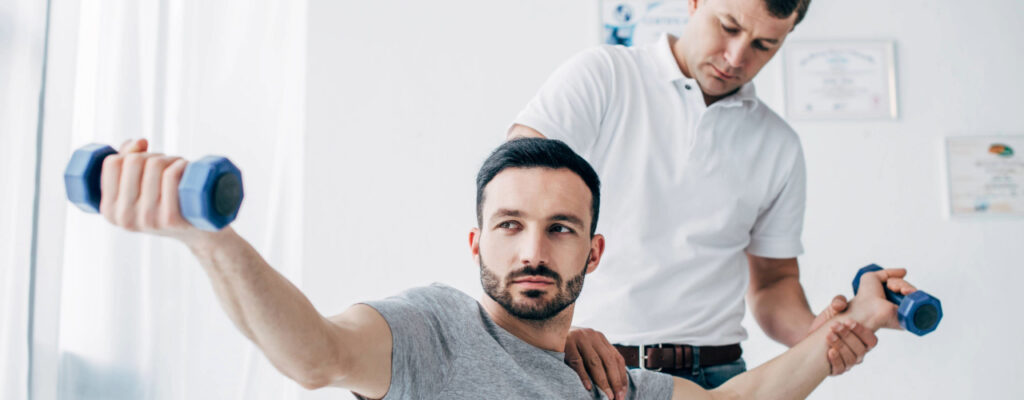
Preventing complications after surgery is a priority for ensuring successful recovery. Risks like stiffness, swelling, muscle weakness, and infections can delay healing and limit mobility if left unaddressed. Physical therapy provides a structured approach to recovery, combining tailored exercises, manual techniques, and education to reduce risks. At , therapists focus on guiding patients through a safe and effective process aimed at preventing complications while restoring function and confidence.
How Can Help You Prevent Complications
Our team of physical therapists has experience helping people recover after surgery.
Read full blogHow Poor Posture Leads to Neck Pain and What You Can Do

If you’re dealing with persistent neck pain, its cause might surprise you! Poor posture is actually one of the more common contributors to neck pain. Sitting for extended periods, especially with a forward head posture or slouched shoulders, strains your neck muscles and joints, leading to neck pain from poor posture.
The good news is that physical therapy at can provide effective strategies to correct postural issues, addressing the root cause rather than just managing neck pain symptoms.
Read full blogThe Role of Physical Therapy in Joint Replacement Rehab
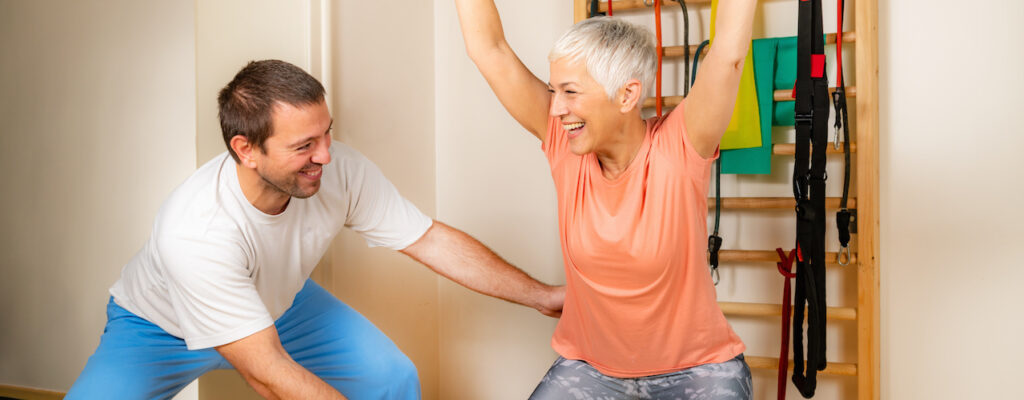
Joint replacement surgery can be life-changing for those living with chronic pain conditions like arthritis. However, a structured joint replacement rehab program is essential if you want to maximize the effects of your surgery for the best possible outcome.
At , regularly work with patients who’ve undergone a total joint replacement–whether in the hip, knee, or elsewhere! Our El Paso, TX, and Ysleta Del Sur Pueblo, TX physical therapists help patients regain independence and quality of life by focusing on rebuilding strength and range of motion.
Read full blogManaging Shoulder Arthritis: Coping with Arthritic Shoulder Pain and Enhancing Mobility

Shoulder arthritis can significantly impact daily life. The condition causes pain and restricts mobility, making it much more difficult to perform the various reaching and grasping motions needed for basic tasks. Managing shoulder arthritis often requires a multifaceted approach, including physical therapy to address pain and maintain function.
Unfortunately, arthritis has no cure, but the team at offers practical, non-invasive options to reduce your symptoms so you can live a full, active life.
Read full blogHeel Spurs: Diagnosis, Treatment, and Preventive Measures
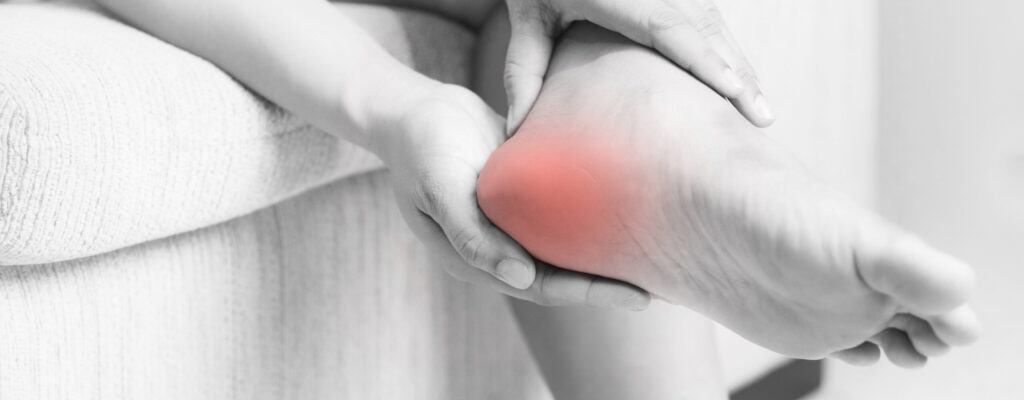
Heel pain can affect mobility and quality of life, often linked to a condition called heel spurs. Heel spurs are bony projections that form on the heel bone due to stress and pressure on the foot. Though sometimes painless, heel spurs can cause significant discomfort, especially when associated with plantar fasciitis. Here’s what you should know about diagnosing, treating, and preventing heel spurs.
Diagnosing Heel Spurs – Recognizing Causes and Symptoms
Heel spurs develop gradually as calcium deposits accumulate at the bottom of the heel bone.
Read full blogHip Bursitis: Diagnosis, Treatment, and Pain Relief
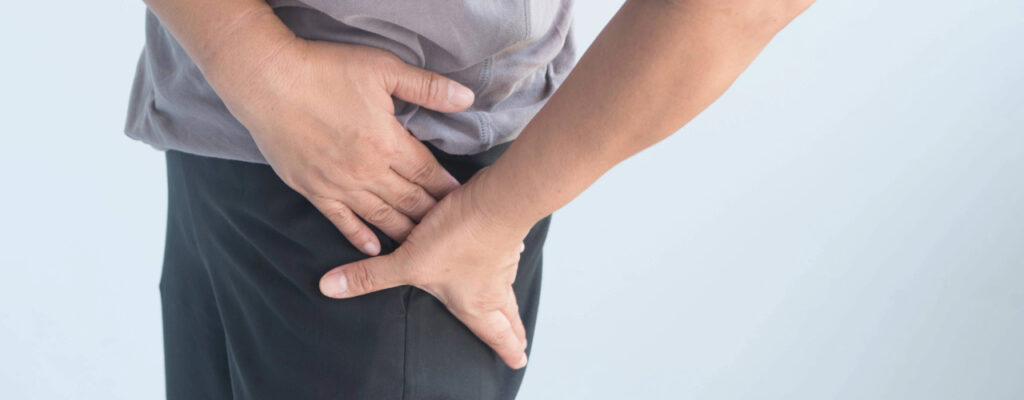
Hip bursitis can cause significant pain and discomfort, affecting both mobility and quality of life. The condition results from inflammation of the bursa—a small, fluid-filled sac that cushions the hip joint. When the bursa becomes irritated, it can lead to pain, stiffness, and even a burning sensation around the hip. Hip bursitis treatment with advanced physical therapy focuses on restoring function, relieving pain, and reducing strain on the affected area.
Understanding Hip Bursitis – Causes and Diagnosis
Hip bursitis typically develops due to repetitive stress, improper movement patterns, or prolonged pressure on the hip.
Read full blogWhiplash Injury: Recovery and Rehabilitation Strategies

Whiplash, often caused by a sudden jolt or impact, such as in a car accident, can create painful and disruptive symptoms. Individuals may experience neck pain, reduced mobility, and muscle soreness that affect daily activities. Early and focused whiplash injury recovery can minimize pain, support healing, and prevent chronic complications. At , our physical therapists provide a structured plan that combines hands-on techniques, therapeutic exercises, and patient education for an effective recovery and improved comfort.
Read full blogFrozen Shoulder Relief: Effective Exercises and Recovery Strategies

Frozen shoulder can be an incredibly difficult condition to live with. It lasts for months and causes both pain and restricted mobility, depending on what stage you’re in. As you might expect, this discomfort can dramatically impact your daily activities. Fortunately, several frozen shoulder relief exercises can help relieve symptoms and support recovery.
Frozen shoulder, also known by its medical name adhesive capsulitis, is a condition in which the shoulder joint becomes stiff and painful due to inflammation and tightening of the connective tissue surrounding the joint.
Read full blog