


Nerve Pain in the Shoulder: Causes and Warning Signs
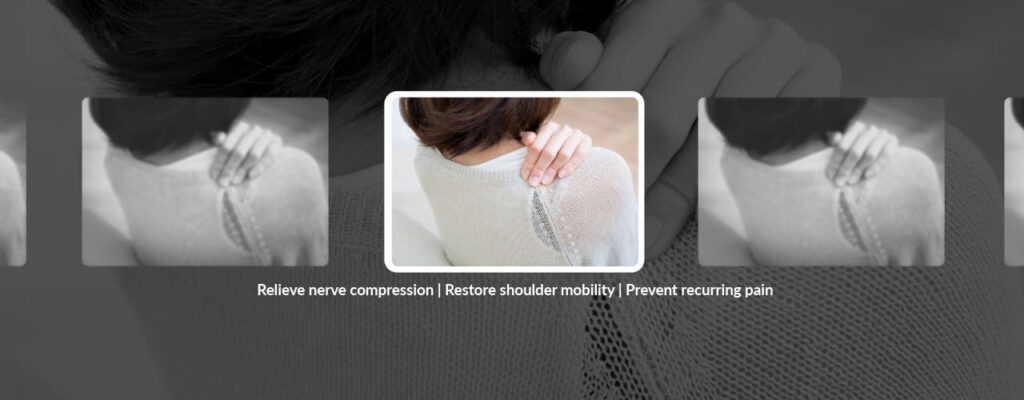
Experiencing nerve pain in the shoulder can disrupt daily tasks that once felt effortless. Many of our patients first notice a sharp, burning, or radiating sensation that moves down the arm or settles deep in the shoulder blade region. Understanding what causes this pain and recognizing early warning signs can help you take action before symptoms worsen.
How Shoulder Nerves Become Irritated And Overwhelmed
The shoulder is a highly mobile joint supported by muscles, tendons, ligaments, and nerves that travel from the neck into the arm.
Read full blogSigns You May Have a Herniated Disc in Your Neck
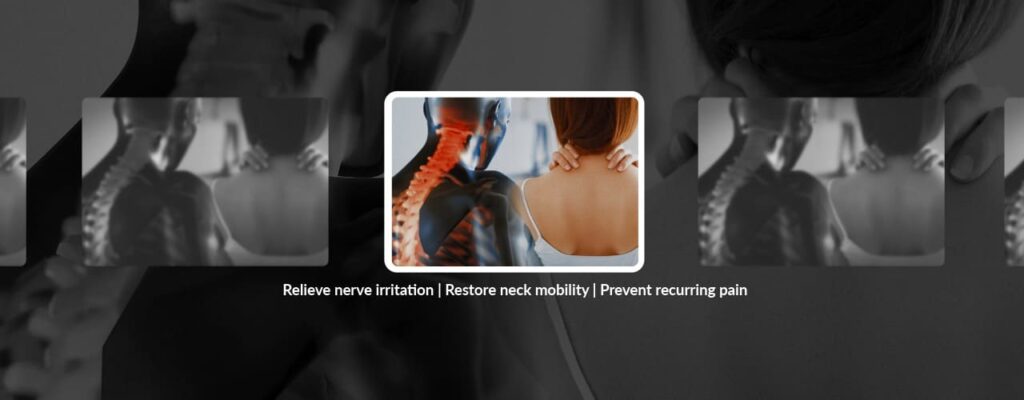
Barry (not his real name), a 46-year-old contractor, first came to with sharp neck pain that began after a long workweek. He assumed the discomfort came from sleeping wrong, but the pain grew stronger each day. He also noticed tingling traveling down his arm. His therapist explained that these signs often point to a herniated disc in neck tissues, which can irritate nearby nerves. Barry’s story shows how subtle symptoms can become more obvious over time and why early physical therapy helps support recovery.
Read full blogShoulder Bursitis vs Tendonitis: What’s the Difference?
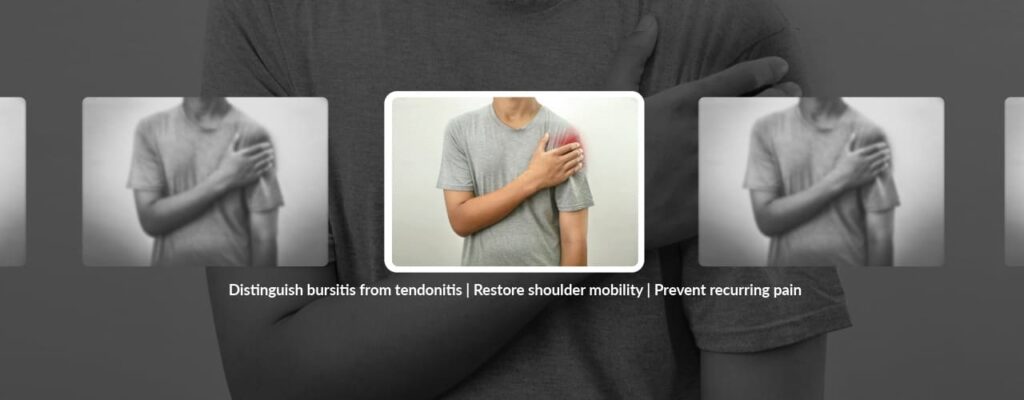
Understanding the nuances of shoulder pain can be confusing, especially when symptoms overlap. For this reason, many people search for clarity on shoulder bursitis vs tendonitis. Both issues cause discomfort and limit mobility, but they arise from different structures within the joint. Understanding the difference can help the team at ensure you get the care you need.
Shoulder Bursitis vs Tendonitis: Understanding The Basics
Shoulder bursitis and tendonitis are two conditions that affect soft tissues, but for different reasons.
- Bursitis occurs when the bursa, a fluid-filled sac that reduces friction, becomes irritated.
Post-Surgical Swelling Management with Physical Therapy
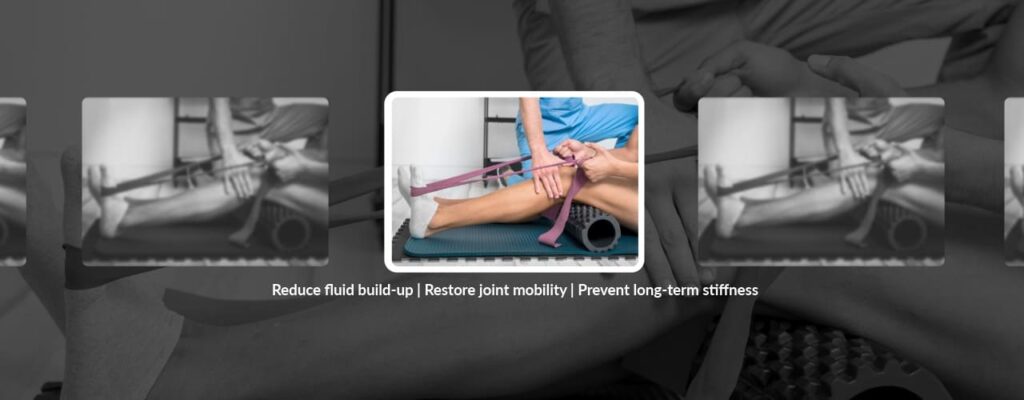
After any surgical procedure, swelling can feel alarming, uncomfortable, and confusing. Many patients search for guidance on post-surgical swelling management but end up sifting through conflicting advice. Understanding what swelling really means, why it happens, and how supports recovery can make the healing process feel more predictable and less overwhelming.
Why Swelling Happens After Surgery
Swelling is a natural response to trauma. When tissues are disrupted during surgery, the body increases blood flow to the area to initiate the repair process.
Read full blogThe Connection Between Neck Pain and Migraines Explained
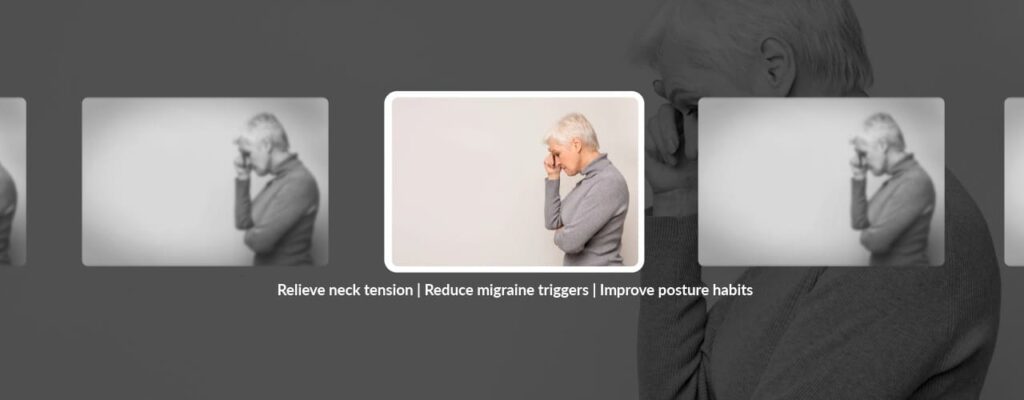
Many adults experience migraines that begin with stiffness or aching in the neck. These two symptoms are closely linked because the nerves, muscles, and joints in the upper neck influence how the head feels. Understanding the connection between neck pain and migraines helps adults see why symptoms build throughout the day and why physical therapy offers meaningful support for long-term relief. The case study below shows how one patient improved with a personalized plan.
Read full blogThe Hidden Reasons Your Ankle Hurts While Walking
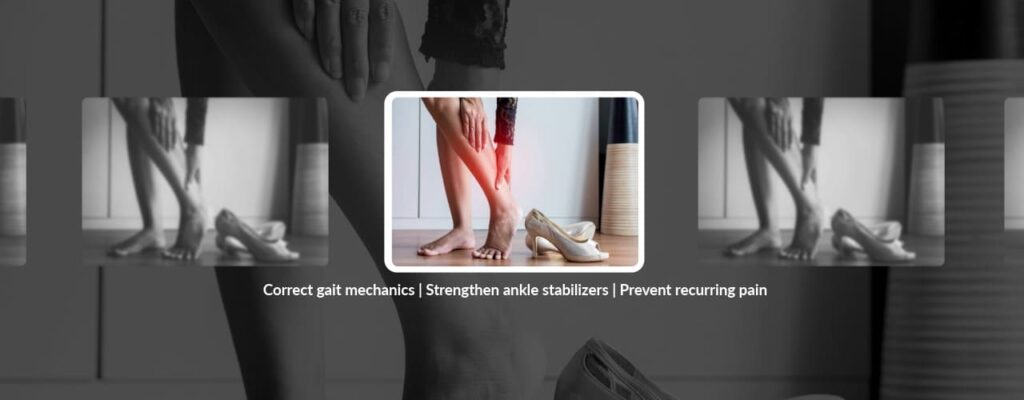
Many adults feel discomfort in the ankle during daily movement but assume it will fade with rest. In reality, ankle pain when walking often develops from deeper issues that limit motion, affect stability, or change how the foot absorbs pressure. Clearing up the most common myths helps adults understand why ankle discomfort deserves proper attention and how physical therapy provides long-term solutions.
Why Ankle Pain While Walking May Point to More Than a Simple Strain: Common Misconceptions
Myth 1: Ankle Pain When Walking Comes Only from a Recent Injury
Fact: Some ankle injuries happen suddenly, but many cases develop over time.
Read full blogThe Importance of Post-Op Rehab for a Full Recovery
After surgery, many adults expect recovery to happen naturally with rest. While rest helps in the early days, long-term healing depends on how the body regains strength, mobility, and balance. Understanding post-op rehab importance helps adults see why physical therapy plays a key role in rebuilding comfort, restoring movement, and preventing future issues.
10 Frequently Asked Questions About Post-Op Rehab
1. Why Is Rehab Needed If the Surgery Fixed the Problem?
Read full blogUnderstanding Shoulder Impingement Syndrome
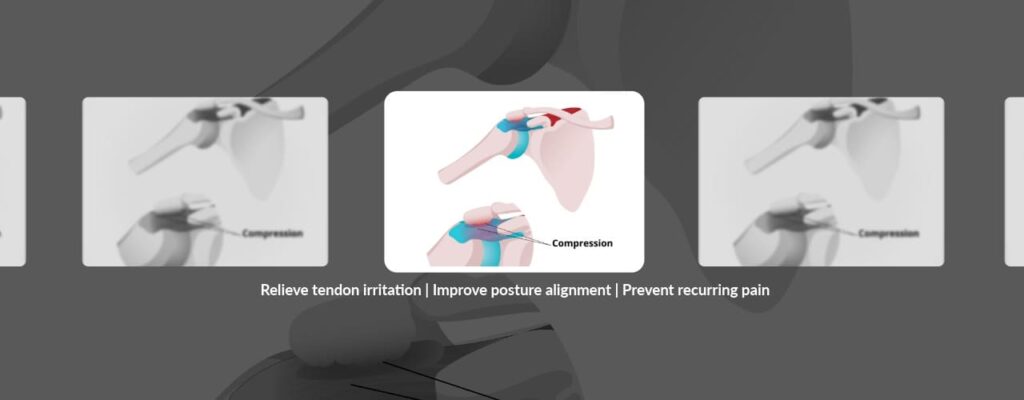
Many adults feel a pinch, ache, or sharp discomfort when lifting the arm, but they often do not know why. These symptoms may be caused by shoulder impingement syndrome, a condition that develops when soft tissues inside the shoulder become irritated during overhead or repetitive movements. Understanding how this process begins helps adults recognize early signs, protect their shoulder, and seek care before the issue worsens.
A Closer Look at How Shoulder Impingement Develops
How the Shoulder’s Structure Creates Space for Movement
The shoulder joint depends on the space between the upper arm bone and the bony arch above it.
Read full blogThe Role of Rehabilitation After Knee Surgery
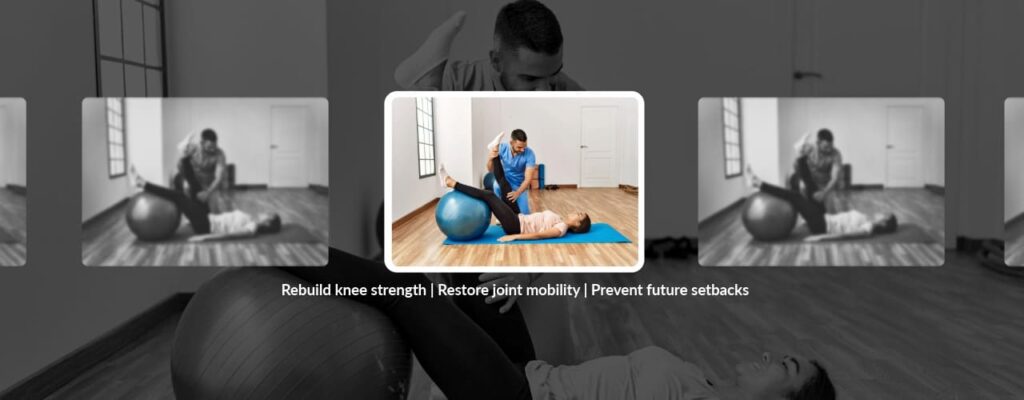
Knee surgery helps correct a structural problem, but surgery alone does not restore strength, flexibility, or balance. These abilities return through guided movement and steady strengthening. Understanding the importance of knee surgery rehabilitation helps adults recognize why physical therapy plays a crucial role in supporting healing, protecting the joint, and preventing future pain.
Why Rehabilitation Shapes Long-Term Knee Recovery
Problem: Weak Muscles Cause Instability After Surgery
Muscles around the knee weaken during the recovery period.
Read full blogWhat a Pinched Nerve in the Neck Feels Like and Why It Happens
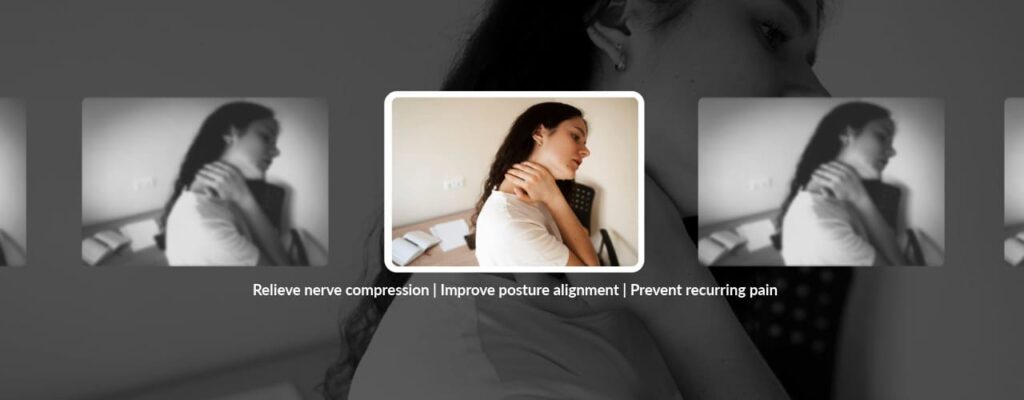
Neck discomfort can feel confusing when the symptoms spread beyond the neck itself. Many adults describe tingling, numbness, or weakness that travels into the shoulder or arm. These signs often point to a pinched nerve in neck tissues, which affects how the body sends and receives signals. Understanding how these symptoms form helps adults recognize what is happening inside the spine and why early physical therapy supports healthier, more comfortable movement.
How a Pinched Nerve in the Neck Feels During Daily Tasks
Symptoms vary depending on which nerve becomes irritated.
Read full blog